Books, graphic novels, comics, magazines, and newspapers.
On the other hand, entertainment content can also have positive effects on mental health. For example, watching a favorite movie or TV show can provide a temporary escape from stress and anxiety, and can also promote relaxation and mood improvement.
One morning, the Algorithm flagged a glitch. Maya, the world’s top-rated lifestyle streamer, had stopped following her script. She was supposed to be promoting a new virtual travel destination, but instead, she was sitting on a park bench, staring at a real, non-holographic tree. The Human Glitch was sent to "fix" the scene. As he approached
: Major studios now treat vertical, short-form video from platforms like TikTok and Instagram as a legitimate development pipeline for new franchises. Influencers are often more trusted by younger audiences than traditional celebrities. Immersive & Participatory Experiences bangla+xxx+video+song
In the modern digital age, the phrase "entertainment content and popular media" has become so expansive that it nearly defies a single definition. Thirty years ago, these words conjured specific images: primetime television on three major networks, blockbuster films at the local multiplex, a Top 40 radio countdown, or a bestselling paperback on a nightstand. Today, that landscape has shattered into a kaleidoscope of streaming services, user-generated platforms, podcasts, short-form vertical videos, interactive fiction, and transmedia universes.
Entertainment content and popular media can also have an impact on individual well-being. For example, research has shown that excessive screen time can lead to a range of negative health effects, including obesity, sleep deprivation, and eye strain.
This article explores the current landscape of entertainment content, tracing its historical roots, analyzing the mechanics of modern distribution, and predicting the future trends that will define popular media for the next decade. Books, graphic novels, comics, magazines, and newspapers
The term "XXX" can also be used informally by viewers to describe Bangla music videos that are considered "hot," "bold," or "sensational." This often refers to mainstream Bengali film songs, sometimes known as "item numbers," which feature suggestive choreography and revealing costumes. A prime example is the record-breaking song "Laage Ura Dhura" from the 2024 film "Toofan." With its electric chemistry and mesmerizing dance moves, the song became a massive viral hit, racking up millions of views and topping global trending charts. For many, the search term "XXX" could be a way to find these high-energy, provocative mainstream music videos.
We have entered the era of the "prosumer" (producer + consumer). Platforms like YouTube, Twitch, and Substack have turned every individual with a smartphone into a potential media mogul. The numbers are staggering: there are now over 50 million content creators globally. These aren't just teenagers in bedrooms; they are sophisticated entrepreneurs building media empires.
This public link is valid for 7 days and shares a thread, including any personal information you added. This link or copies made by others cannot be deleted. If you share with third parties, their policies apply. Can’t copy the link right now. Try again later. One morning, the Algorithm flagged a glitch
This convergence has democratized creation. Anyone with a smartphone can produce content that reaches millions, bypassing traditional Hollywood gatekeepers. The result is a chaotic, vibrant ecosystem where a low-budget horror film ( Skinamarink ) can become a cult hit via word-of-mouth on Reddit, and a user-generated dance trend can launch a forgotten 1990s song back to the top of the Billboard charts.
Furthermore, the mental health crisis linked to social media consumption is now undeniable. The algorithms designed to keep us watching have been shown to correlate with depression, anxiety, and body dysmorphia, particularly in teenage girls. The entertainment industry is slowly waking up to its responsibility, implementing "take a break" reminders and blurring sensitive content, but the fundamental business model remains one of maximizing screen time at any cost.
The Best Windows Disk Partition Manager and PC Optimizer
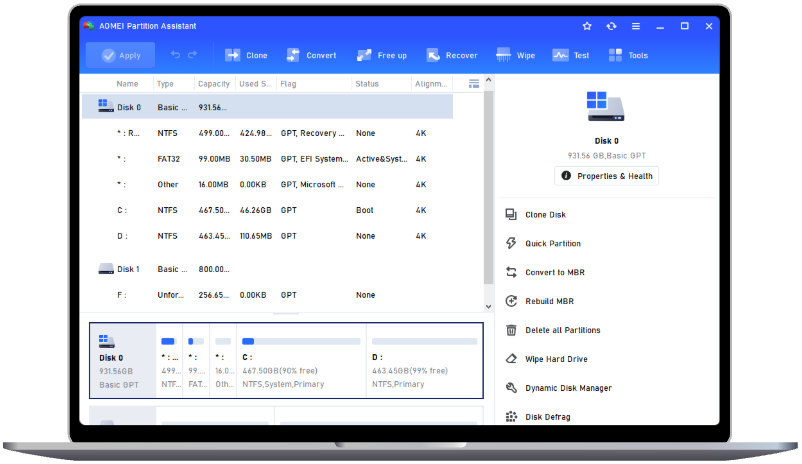
 AOMEI Partition Assistant