
Every pivotal play, every triumphant triumph, and every heart-stopping moment, captured and compiled without having to lift a finger.
With our virtual camera tracking system, parents and staff are free to enjoy the game, knowing we've got the filming covered.
But we don't stop at official games, with 'Practice Mode', you can also capture tryouts, training sessions, and scrimmages.

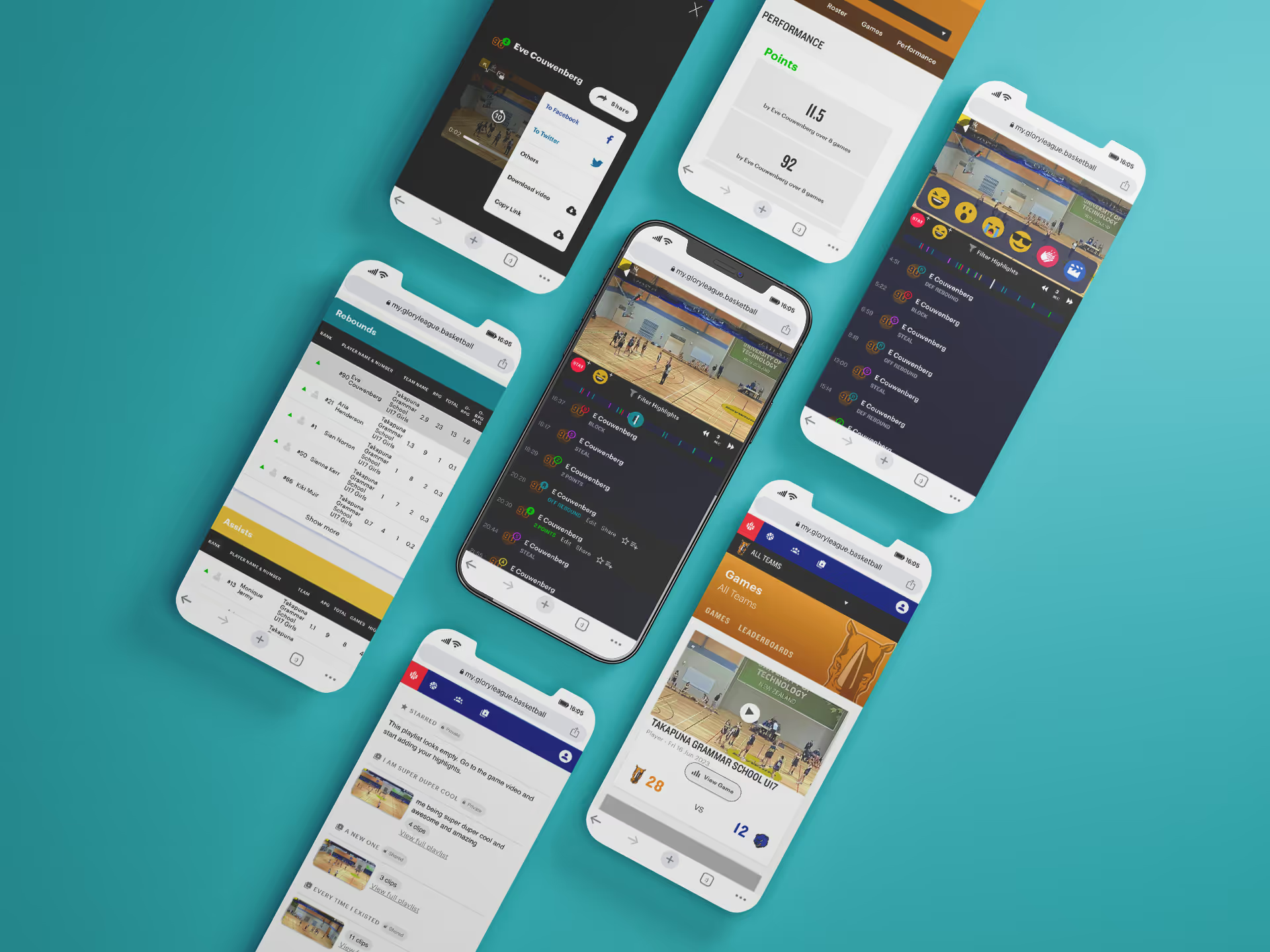
Downloadable highlights so players can keep their proudest moments forever. Full game videos for all players, not only great for players but a priceless feature for family members who can't be there in person.
Attract advertisers with a range of options, from digital in-game banners and center court logos to email marketing.

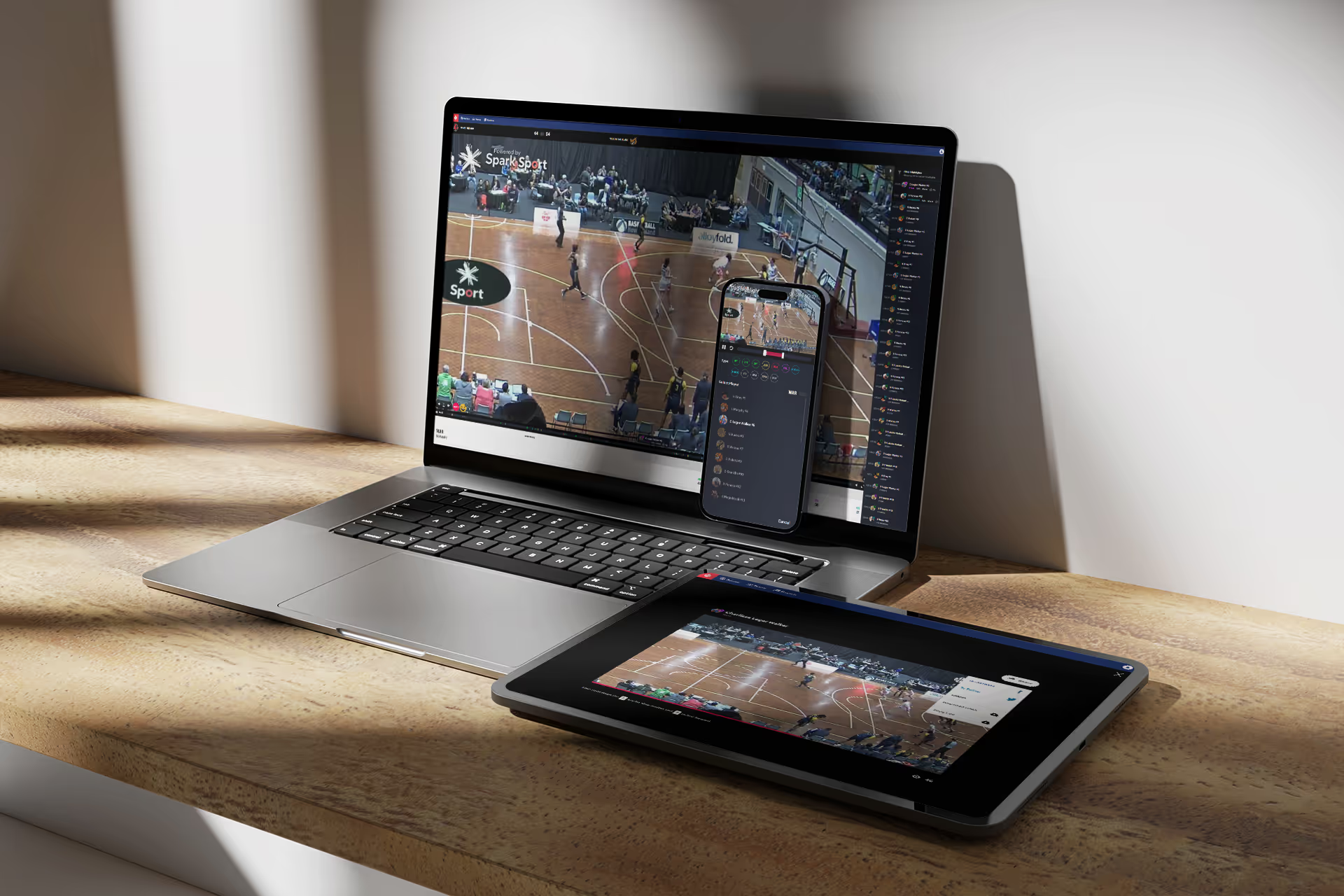
Our technology puts players, coaches, and court-side spectators in the spotlight, promoting better on-court and courtside behaviour as well as reducing administrative time spent handling incidents.
Our seamless integration with competition management systems and scoring apps makes automatic recording of every match in the schedule too easy.











Perhaps the most culturally revealing sector is the . Groups like AKB48, Arashi, and more recently Nogizaka46 are not merely musical acts; they are embodiments of the Japanese concept of group harmony ( wa , 和). Idols are marketed as "unfinished" or accessible products, whose growth and hard work fans can support. The emphasis is rarely on raw, disruptive talent (which might threaten group cohesion) but on relatability, perseverance, and adherence to a strict code of conduct.
While modern forms of entertainment have gained popularity, traditional Japanese entertainment still holds a special place in the country's culture. Traditional Japanese theater, such as Kabuki and Noh, continues to captivate audiences with its elegant costumes, stylized movements, and poignant storylines. Traditional Japanese music, such as enka and shamisen, also remains an important part of the country's cultural heritage.
By 2026, anime has evolved into a mainstream global medium through expanded "touchpoints" like digital streaming and high-quality character merchandise. Prime Minister Sanae Takaichi recently framed anime as a vital bridge for international diplomacy, noting its ability to tackle complex themes like identity and morality. 2. The Gaming Legacy
Once a derogatory term for obsessive fans, Otaku is now a celebrated economic demographic. Akihabara Electric Town is a pilgrimage site for fans of anime, idols, and retro gaming. Japan’s entertainment industry mastered the "long tail" business model early—selling high-priced Blu-rays, figurines, and keychains to a small, dedicated fanbase rather than chasing mass-market blockbusters. 1Pondo-010219-001 Hojo Maki JAV UNCENSORED
Her impact was recognized just one year into her career when she won the prestigious "Mature Woman Award" at the 2007 Video Boy Awards. In 2009, as her career continued to flourish, she transitioned to a new agency and adopted her now-iconic stage name, "Maki Hojo." The name change coincided with a shift toward a more prolific and diverse range of roles, further cementing her status as the "king of the mature woman genre".
The term otaku refers to people with obsessive interests, commonly associated with anime, manga, and gaming. Tokyo’s Akihabara district serves as the global mecca for this subculture. What was once viewed domesticly as a negative social withdrawal has transformed into a major driver of tourism and economic revenue, celebrated for its consumer passion. Soft Power and Global Future
The Japanese music industry is the second-largest in the world. It operates on distinct cultural rules, heavily driven by the "idol" phenomenon. The Idol Culture Perhaps the most culturally revealing sector is the
Traditional culture is seeing a massive resurgence, particularly among younger audiences who previously felt little connection to it. Sumo as "Fan Culture":
Studios are increasingly favoring established intellectual property like sequels and remakes over original content to ensure commercial success. Major 2026 Releases: Fans are anticipating high-profile titles such as Jujutsu Kaisen Season 3 Frieren: Beyond Journey's End Season 2 (releasing in January), and new arcs for Streaming Ecosystem: 50% of global Netflix subscribers
The Japanese entertainment industry is a global powerhouse that rivals traditional industrial exports like steel and semiconductors in value. As of 2026, the sector is defined by a unique duality: a hyper-modern digital infrastructure—led by anime and gaming—coexisting with a 2,000-year-old heritage of traditional performing arts. The emphasis is rarely on raw, disruptive talent
The Japanese entertainment industry has gained immense popularity worldwide, captivating audiences with its unique blend of traditional and modern elements. From anime and manga to J-pop and video games, Japan has become a hub for creative and innovative forms of entertainment. In this blog post, we'll dive into the fascinating world of Japanese entertainment and culture, highlighting its key aspects and what makes it so distinctive.
: Once stigmatized, geek culture is now a mainstream economic driver celebrated through conventions and dedicated shopping districts.


